
RARE Antique ROYAL KNIGHTS OF KING DAVID AFRICAN AMERICAN BLACK FRATERNAL BADGE
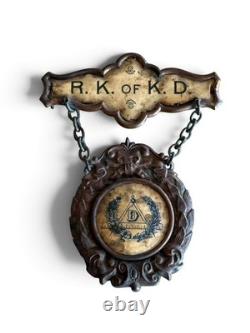
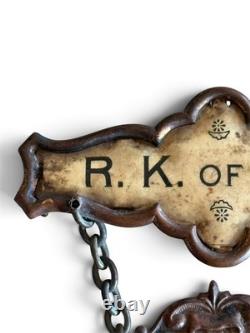
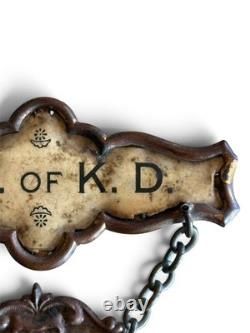
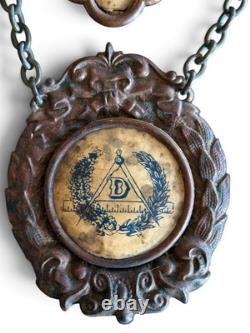
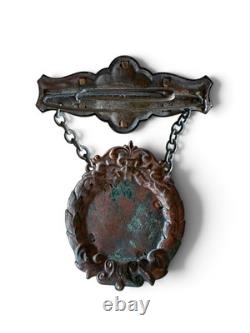
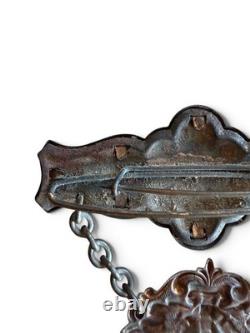
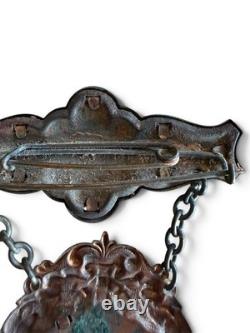
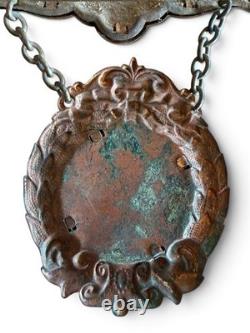

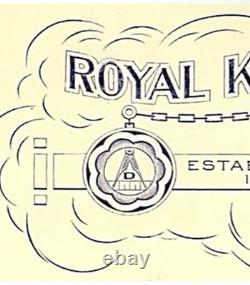
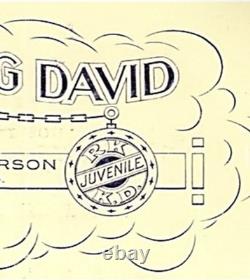

The final two images are from Harvard's study showing they used the insignia found on badge. Rare Royal Knights of King David Fraternal Badge - African American History, c. An exceptionally scarce antique fraternal badge attributed to the Royal Knights of King David, an African American fraternal organization established in Durham, North Carolina, in 1883. The organization was associated with several prominent figures in early African American business, education and community development, including John Merrick and William Gaston Pearson. What makes this particular badge especially interesting is its apparent connection to research conducted at Harvard University. In a historical study of the Royal Knights of King David, Harvard professor Theda Skocpol documented the organization's history. More significantly, the research notes that contemporary newspapers mentioned badges belonging to the Royal Knights of King David, but that the researchers had not located an example. This raises the possibility that the present badge is among the very few surviving examples of the organization's original regalia, and potentially an example not previously documented by the research project.
Its identification has not yet been independently authenticated by the researchers, and the total number of surviving examples is unknown. The Royal Knights of King David was founded in Durham in 1883, during a period when African Americans were establishing their own financial institutions, businesses, educational organizations and mutual-aid societies. Another important figure was William Gaston Pearson, a prominent North Carolina educator and businessman who compiled the organization's 1920 ritual book. The Royal Knights of King David was considerably more than a social club.
It operated as a mutual-benefit organization, providing members with opportunities for financial protection, community involvement and organized leadership. Its activities extended beyond North Carolina, and its history included charitable work, civic participation, financial institutions and support for African American advancement.
During an era of racial segregation and widespread discrimination, organizations such as the Royal Knights of King David provided Black Americans with institutions they could establish, administer and support themselves. The badge's potential significance is reinforced by research from Professor Theda Skocpol's African American Fraternal Orders Project at Harvard University. The project's historical presentation on the Royal Knights of King David reproduces the organization's emblem from the cover of its 1920 ritual book, compiled by William Gaston Pearson and published in Durham by the Seeman Printery.
The badge offered here appears to correspond to that historical illustration. The project's accompanying research notes make a particularly interesting observation: although contemporary newspaper accounts establish that the organization possessed badges, the researchers reported that they had not located an example. The survival of a physical badge apparently bearing the organization's documented insignia is therefore potentially important. It offers an opportunity to examine an actual piece of regalia associated with an organization whose history has otherwise been reconstructed largely through newspapers, organizational publications and other surviving documents. The badge features decorative metalwork, suspended chains and its original pin assembly.It displays substantial age-related oxidation and surface wear consistent with an antique fraternal piece. This remains an approximate attribution rather than a confirmed manufacturing date. This badge is of particular interest because it potentially represents a surviving physical artifact from an organization that played a role in the development of African American mutual-aid institutions.
Its connection to John Merrick, William Gaston Pearson and the broader history of Black economic independence adds historical context beyond its appeal as fraternal memorabilia. The apparent correspondence between its insignia and the illustration preserved in the organization's 1920 ritual book provides a useful starting point for further research. Given the absence of a badge example in the Harvard project's published research, this piece warrants additional examination by specialists in African American history and fraternal organizations.